
Artificial intelligence (AI) has become one of the most transformative forces in digital marketing, reshaping how businesses understand customers, create content, and deliver personalized experiences.
Digital marketing relies heavily on data—customer behavior, search patterns, social engagement, preferences, and buying habits. AI, on the other hand, excels at analyzing large volumes of data, identifying patterns, and making predictions. When combined, AI and digital marketing create a powerful system that helps companies reach the right audience with the right message at the right time.
DATA ANALYSIS

One of the most significant connections between AI and digital marketing is data analysis. Traditional marketing teams often struggled with interpreting huge amounts of data from social media, websites, advertisements, and customer interactions. AI tools, however, can process this data instantly and provide meaningful insights. For example, AI algorithms can analyze customer browsing behavior and predict what products they are likely to purchase. This helps marketers create targeted campaigns rather than using a one-size-fits-all approach. As a result, marketing becomes not only more efficient but also more cost-effective, reducing wasted advertising spend.
PERSONALISATION

Another major area where AI impacts digital marketing is personalization. Today’s customers expect brands to understand their needs and offer a customized experience. AI technologies such as machine learning and recommendation engines make personalization possible at a large scale. Companies like Amazon, Netflix, and Spotify use AI-driven systems to recommend products or content based on past behavior. In digital marketing, these same principles apply to emails, advertisements, website content, and social media messages. By tailoring content to individual preferences, businesses improve customer satisfaction, engagement, and loyalty.
AUTOMATING MARKETING TASKS
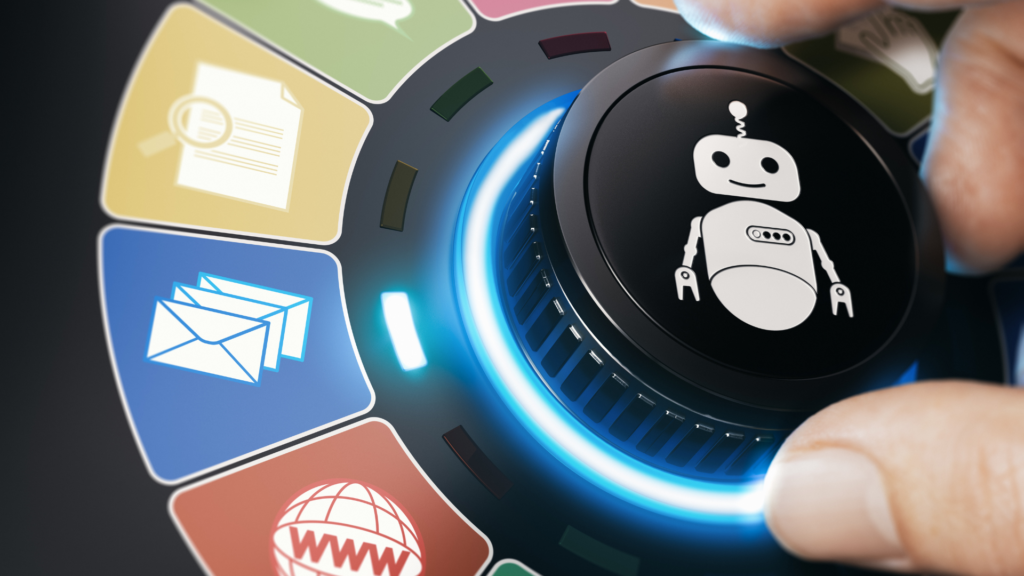
AI also plays a crucial role in automating marketing tasks. Marketers traditionally spent long hours performing repetitive tasks such as scheduling posts, sending follow-up emails, or analyzing campaign results. AI-powered automation tools can perform these tasks faster and with fewer errors. For instance, chatbots use natural language processing to interact with customers, answer questions, and guide them through the buying process without human involvement. Email automation platforms use AI to send messages at the best time for each user. This saves time, boosts productivity, and allows marketers to focus on strategy and creativity rather than routine work.
CUSTOMER RELATION MANAGEMENT
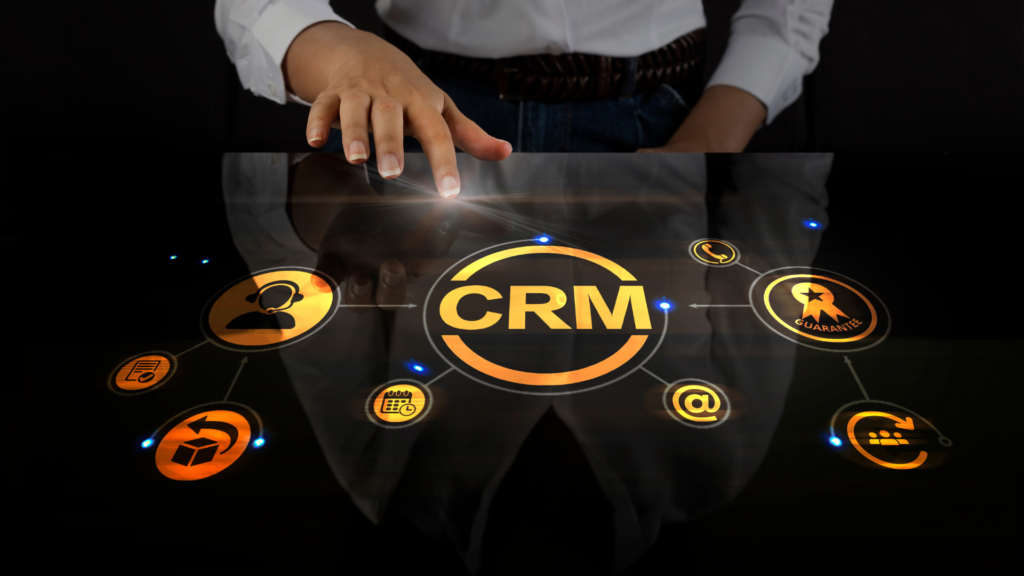
AI also strengthens customer relationship management (CRM) systems. By collecting and analyzing customer data, AI helps businesses understand the customer journey—how people discover the brand, what encourages them to purchase, and why they might stop buying. Predictive analytics can identify customers who are at risk of leaving, allowing marketers to take action in advance. AI-enhanced CRM systems also segment customers more accurately, making marketing campaigns more strategic and impactful.
DIGITAL ADVERTISEMENTS

When it comes to advertising, AI has revolutionized the way ads are created, targeted, and displayed. Platforms like Google Ads and Facebook Ads use AI algorithms to determine which ads should be shown to which users based on their behavior, interests, location, and demographics. This process, known as programmatic advertising, uses real-time bidding and AI to purchase ad space instantly. It ensures ads reach the most relevant audience, improving click-through rates and maximizing return on investment.