Author name: digitaluh77@gmail.com

Digital Ummehani is a results-driven digital marketing service provider dedicated to helping businesses grow their online presence and generate quality leads. Led by a Certified Digital Marketer in Mumbai, we offer comprehensive digital marketing solutions tailored to startups, small businesses, and established brands. Our services include SEO, Google Ads, social media marketing, content marketing, website optimization, and online reputation management. At Digital Ummehani, we focus on data-driven strategies, transparent reporting, and measurable results to ensure maximum ROI for our clients. Whether you want to increase website traffic, improve search engine rankings, or build a strong brand identity online, we deliver customized marketing

Uncategorized

TOP CERTIFIED DIGITAL MARKETERS IN MUMBAI

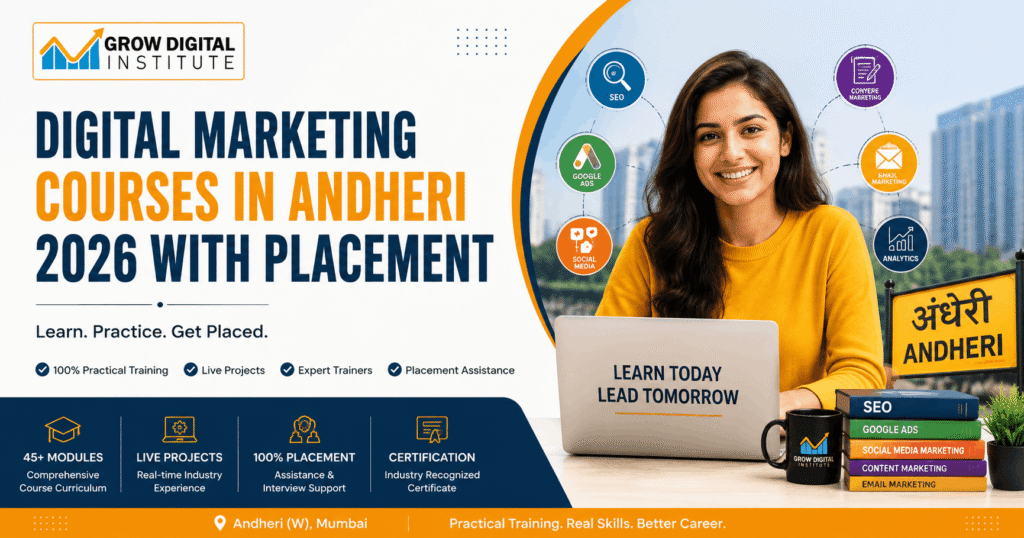
Digital marketing is the use of online channels, tools, and strategies to promote products or services and connect with potential customers. Unlike traditional marketing, which relies on print ads, TV, or radio, digital marketing leverages the internet to reach a wider and more targeted audience. Digital Hani is a Certified digital marketer in Mumbai. Digital Hani has completed a Digital Marketing course at Grow Digital Institute, Mumbai. Email – digitaluh77@gmail.com Contact – 9024821126 Website – https://digitalhani.co.in 2. Digital Ashvini Digital Ashwini is a Certified Digital Marketer in Mumbai, Who provides all type of Digital Marketing Services. Email-digitalashvinilawate@gmail.com Website- https://digitalashvini.co.in/ 3. Digital Nidhi Digital Nidhi is a Certified Digital marketer in Mumbai, who provides all types of digital marketing services. Email – digitalnidhi6k@gmail.com Website -https:// digitalnidhi.co.in/ 4. Digital Shubham Digital Shubham is a Certified Digital marketer in Mumbai, who provides all types of digital marketing services. Email -digitalshubhamjaiswar@gmail.com Website-https:// digitalshubharam.co.in/

BLOG

DIGITAL SUCCESS COMES FROM CLARITY NOT COMPLEXITY

Clarity means having a clear understanding of your goals, audience, message, and actions. When a business knows exactly who it is targeting, what problem it is solving, and what value it offers, its digital efforts become more effective. Clear messaging helps users quickly understand a brand’s purpose, whether they are visiting a website, scrolling through social media, or reading an email. In an environment where attention spans are short, clarity allows brands to communicate their value instantly. Complexity, on the other hand, often creates confusion. Overloaded websites, unclear calls to action, excessive content, or complicated marketing funnels can overwhelm users and push them away. When people don’t understand what to do next—whether it’s signing up, purchasing, or learning more—they are likely to leave. In digital marketing, confusion leads to lost opportunities. Clarity also improves decision-making. Clear strategies focus on key platforms, metrics, and messages instead of trying to be everywhere and do everything. This helps teams allocate time, budget, and effort more efficiently. Simple, well-defined campaigns are easier to execute, measure, and optimize, leading to better results. From a user experience perspective, clarity builds trust. Clean design, straightforward navigation, simple language, and direct calls to action make digital interactions smooth and enjoyable. When users feel comfortable and informed, they are more likely to engage, convert, and return. In essence, digital success is achieved by simplifying goals, sharpening messages, and removing unnecessary distractions. Clarity cuts through noise, while complexity adds friction. Brands that focus on being clear, consistent, and user-focused are far more likely to succeed in the digital landscape.

BLOG

HOW CONTENT TURN CLICK INTO CONNECTIONS?

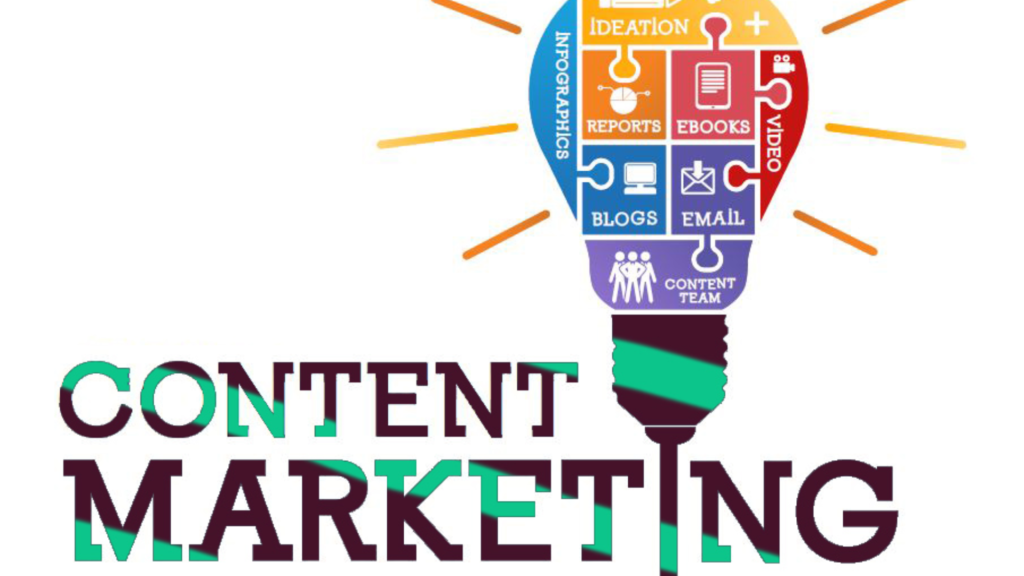
Content marketing is a strategic approach focused on creating and distributing valuable, relevant, and consistent content to attract and engage a clearly defined audience. Instead of directly promoting products or services, it aims to build trust, credibility, and long-term relationships by addressing audience needs, interests, and problems. Content can take many forms, including blog posts, videos, social media updates, podcasts, infographics, and emails. Effective content marketing supports brand awareness, drives website traffic, generates leads, and nurtures customer loyalty. By delivering meaningful information over time, businesses position themselves as trusted authorities and influence purchasing decisions organically. At its core, content marketing is about delivering value. The content produced—such as blog posts, videos, podcasts, infographics, social media posts, eBooks, case studies, and newsletters—is designed to educate, inform, entertain, or inspire the audience. By addressing customer needs, answering questions, or solving problems, brands position themselves as helpful resources rather than intrusive advertisers. This value-driven approach helps audiences voluntarily engage with the brand, increasing the likelihood of loyalty and conversion over time. One of the defining characteristics of content marketing is its audience-centric focus. Successful content marketing begins with a deep understanding of the target audience, including their demographics, interests, challenges, behaviors, and preferences. Marketers often develop buyer personas to represent different segments of their audience. These personas guide content creation, ensuring that messages are relevant and tailored rather than generic. When content resonates with the audience’s real needs and aspirations, it becomes more impactful and shareable. Content marketing also plays a critical role in building brand authority and trust. When a company consistently produces high-quality, accurate, and insightful content, it demonstrates expertise in its field. Over time, audiences begin to view the brand as a credible authority, making them more comfortable choosing its products or services. Trust is especially important in competitive markets, where customers have many similar options. Content marketing helps differentiate brands by highlighting their unique perspective, values, and knowledge

BLOG

HOW TO BOOST SALES WITH DIGITAL MARKETING?

Boosting sales through digital marketing works best when you combine the right channels, clear messaging, and data-driven optimization. Here’s a practical, proven framework you can apply to most businesses: 1. Know Your Audience (Critical First Step) 2. Optimize Your Website for Conversions Your site should sell 24/7. 3. Use Content Marketing to Build Trust 5. Invest in Paid Advertising (High ROI When Done Right) 6. Email Marketing = Consistent Sales 7. Use SEO for Long-Term Growth 8. Track, Analyze, Improve 9. Offer Strong Incentives 10. Be Consistent Digital marketing success comes from testing, learning, and optimizing continuously — not one-time campaigns.

BLOG

AI AND DIGITAL MARKETING

Artificial intelligence (AI) has become one of the most transformative forces in digital marketing, reshaping how businesses understand customers, create content, and deliver personalized experiences. Digital marketing relies heavily on data—customer behavior, search patterns, social engagement, preferences, and buying habits. AI, on the other hand, excels at analyzing large volumes of data, identifying patterns, and making predictions. When combined, AI and digital marketing create a powerful system that helps companies reach the right audience with the right message at the right time. DATA ANALYSIS One of the most significant connections between AI and digital marketing is data analysis. Traditional marketing teams often struggled with interpreting huge amounts of data from social media, websites, advertisements, and customer interactions. AI tools, however, can process this data instantly and provide meaningful insights. For example, AI algorithms can analyze customer browsing behavior and predict what products they are likely to purchase. This helps marketers create targeted campaigns rather than using a one-size-fits-all approach. As a result, marketing becomes not only more efficient but also more cost-effective, reducing wasted advertising spend. PERSONALISATION Another major area where AI impacts digital marketing is personalization. Today’s customers expect brands to understand their needs and offer a customized experience. AI technologies such as machine learning and recommendation engines make personalization possible at a large scale. Companies like Amazon, Netflix, and Spotify use AI-driven systems to recommend products or content based on past behavior. In digital marketing, these same principles apply to emails, advertisements, website content, and social media messages. By tailoring content to individual preferences, businesses improve customer satisfaction, engagement, and loyalty. AUTOMATING MARKETING TASKS AI also plays a crucial role in automating marketing tasks. Marketers traditionally spent long hours performing repetitive tasks such as scheduling posts, sending follow-up emails, or analyzing campaign results. AI-powered automation tools can perform these tasks faster and with fewer errors. For instance, chatbots use natural language processing to interact with customers, answer questions, and guide them through the buying process without human involvement. Email automation platforms use AI to send messages at the best time for each user. This saves time, boosts productivity, and allows marketers to focus on strategy and creativity rather than routine work. CUSTOMER RELATION MANAGEMENT AI also strengthens customer relationship management (CRM) systems. By collecting and analyzing customer data, AI helps businesses understand the customer journey—how people discover the brand, what encourages them to purchase, and why they might stop buying. Predictive analytics can identify customers who are at risk of leaving, allowing marketers to take action in advance. AI-enhanced CRM systems also segment customers more accurately, making marketing campaigns more strategic and impactful. DIGITAL ADVERTISEMENTS When it comes to advertising, AI has revolutionized the way ads are created, targeted, and displayed. Platforms like Google Ads and Facebook Ads use AI algorithms to determine which ads should be shown to which users based on their behavior, interests, location, and demographics. This process, known as programmatic advertising, uses real-time bidding and AI to purchase ad space instantly. It ensures ads reach the most relevant audience, improving click-through rates and maximizing return on investment.

BLOG

WHAT IS DIGITAL MARKETING ?

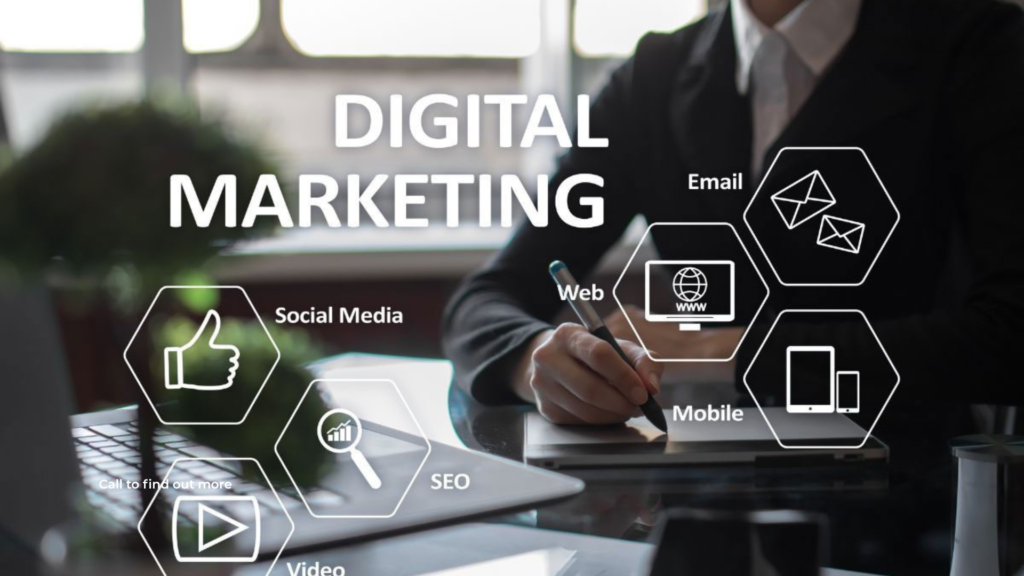
In an era where our morning starts with notifications and ends with a goodnight scroll, digital marketing has become the heartbeat of modern business. But what exactly is it? Imagine you’ve just launched a unique, eco-friendly coffee brand. Now, how do you tell the world? Billboards? Maybe. Flyers? Old-school. But how about reaching coffee lovers exactly when they’re Googling “best organic coffee”? That’s digital marketing in action. Digital marketing is the promotion of products, services, or brands using the internet and digital technologies such as search engines, websites, social media, email, and mobile apps. It’s not just advertising—it’s creating relationships with your audience online. Think of it as a conversation, not a sales pitch. The Key Channels of Digital Marketing Let’s break it down like a playlist of powerful tools: 1. Search Engine Optimization (SEO): SEO is the process of optimizing your website content and structure to rank higher in search engine results. It drives organic traffic by making your site more visible when people search for relevant keywords, helping you attract potential customers naturally. 2.Content Marketing: This involves creating valuable, relevant content such as blogs, videos, or infographics that educate or entertain your audience. Good content builds trust, encourages engagement, and positions your brand as an authority in your industry. 3. Social Media Marketing: Social media marketing is all about connecting with your audience on platforms like Instagram, LinkedIn, Facebook, and Twitter (X). It helps you build a loyal community, increase brand awareness, and engage directly with customers through posts, stories, and conversations. 4. Email Marketing: Email marketing remains one of the most personal ways to communicate with your audience. Sending newsletters, promotions, or personalized offers directly to inboxes helps nurture leads, boost customer loyalty, and drive repeat sales. 5. Pay-Per-Click Advertising (PPC): PPC allows you to place paid ads on search engines like Google or social media platforms. You only pay when someone clicks your ad, making it a targeted and efficient way to get immediate visibility and drive traffic to your site. 6. Influencer Marketing: Influencer marketing leverages popular social media personalities or bloggers to promote your product. By tapping into their trusted audience, brands can increase reach, build credibility, and generate authentic engagement faster than traditional advertising. 🔍 Why Digital Marketing Matters Unlike traditional marketing, digital marketing is measurable. You can see how many people clicked your ad, read your blog, or signed up for your newsletter in real time. It’s cost-effective, scalable, and—perhaps most importantly—targeted. You don’t just shout into the void; you whisper directly to those who care. 🧠 It’s Not Just About Tools—It’s About Strategy What separates a digital marketer from someone just posting on Instagram? Strategy. Digital marketing requires a clear understanding of customer behavior, data analytics, content trends, and platform algorithms. It’s a constantly evolving puzzle—one that rewards creativity, timing, and insight. 🚀 The Future is Digital From AI-driven ads to voice search optimization and virtual reality campaigns, digital marketing is only growing more powerful. Whether you’re a startup or a global enterprise, your online presence can make or break your success. 📌 Final Thoughts Digital marketing is no longer optional—it’s essential. It’s where creativity meets data, and where businesses meet the world. Whether you’re selling handcrafted jewelry or running a SaaS company, digital marketing is your bridge to the global stage. So next time you see a sponsored Instagram post or get an email that makes you click “Buy Now,” remember: that’s not just luck. That’s digital marketing—smart, strategic, and seamlessly woven into your daily digital life.

Scroll to Top